When recess bell rings, the playground becomes a bustling micro‑society. For most kids, it’s a place to trade secrets, chase each other, and test physics on a slide. For some, it feels more like a maze with invisible walls. Parents and teachers often wonder: What if a child’s quiet corner or hesitant hand‑shake signals something deeper? This article walks you through the subtle clues that may hint at autism signs in children who have difficulty with social interactions in the playground, while keeping the tone friendly and approachable.
Understanding the Playground Puzzle
Playground dynamics are a living laboratory of social learning. Kids negotiate turns, share equipment, and sometimes negotiate the rules of the game themselves. When a child consistently sidesteps these informal negotiations, their behavior can raise eyebrows. It’s not that the child is “bad” or “unfriendly”; rather, they might be navigating a world where social cues are like foreign traffic signs—bright, but hard to interpret.
Why Social Signals Matter
- Eye contact is often the first bridge between strangers. Gestures (thumbs up, nods) act as invisible conversation starters. Turn‑taking teaches patience and reciprocity. Imitative play fosters shared imagination.
When a child shows reluctance or confusion around these autism in women and girls signals, it may be an early flag for autism signs in children who have difficulty with social interactions in the playground.
Early Clues: Social Interaction Patterns
1. The “I’d Rather Be Alone” Routine
A child who repeatedly chooses to play solo, even when peers invite them, may be signaling discomfort with group dynamics. This isn’t the same as a shy personality; it can reflect a deeper struggle to decode social expectations.
2. The “Missing Piece” of Conversation
Notice how the child responds to greetings. Do they answer “hello” with a simple “hi” and then immediately look away? Or do they avoid eye contact entirely? These small hesitations can accumulate into a pattern that mirrors autism signs in children who have difficulty with social interactions in the playground.
3. The “Echo Chamber” of Repeated Questions
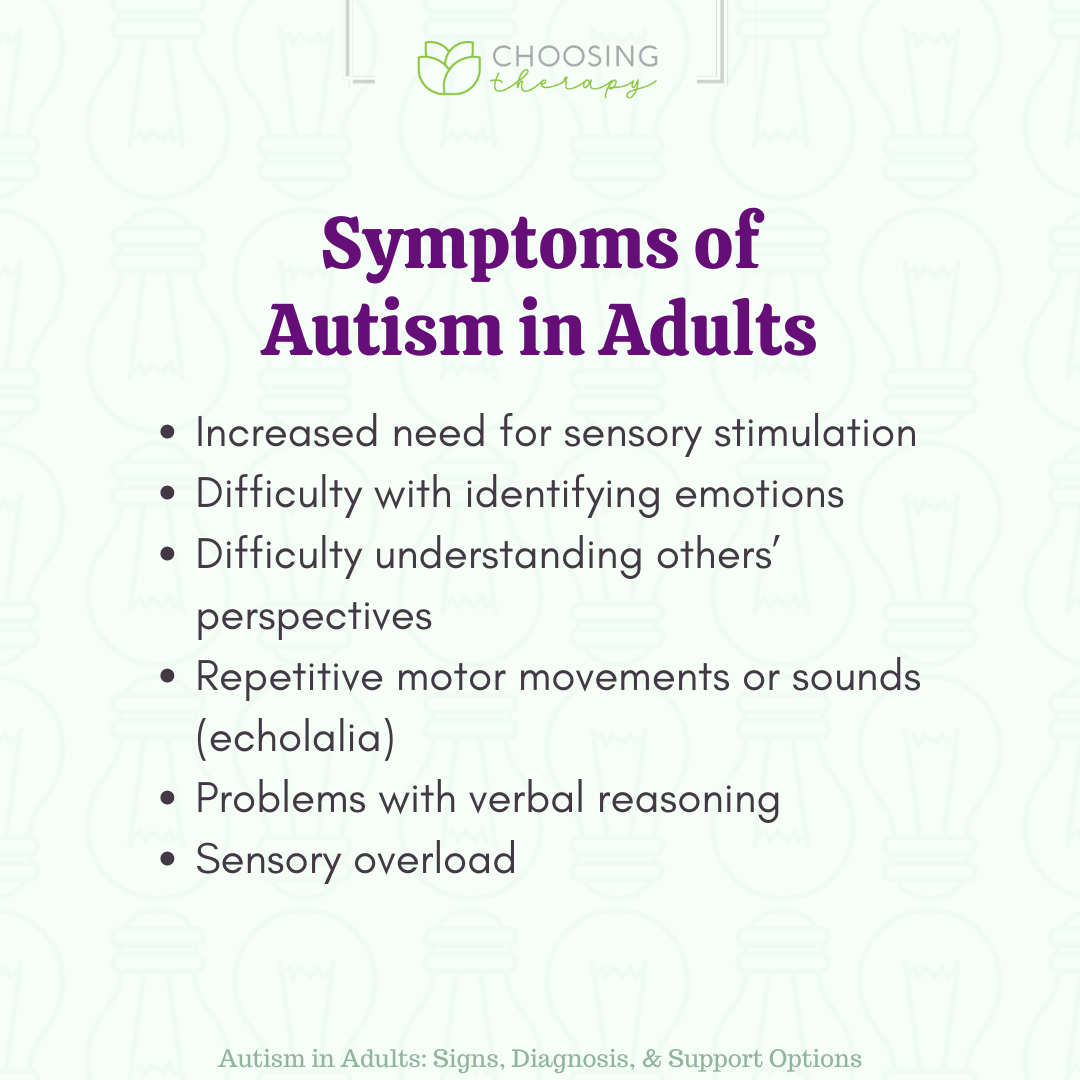
A child might ask the same question over and over, or repeat others’ words exactly. While repetition is a normal part of learning, persistent echoing can hint at a need for predictability—an element often seen in autism.
Communication Checkpoints
Verbal Language
- Delayed speech or limited vocabulary relative to peers. Literal interpretation of idioms or jokes. Monologue: talking at length about a favorite topic without inviting others to join.
Non‑Verbal Language
- Limited facial expressions—a neutral face even in excitement. Unusual body language—twitching, stiff posture, or difficulty mirroring peers. Difficulty reading tone—misunderstanding sarcasm or teasing.
These communication nuances are essential to spot early, especially when a child’s social interactions in the playground feel strained.
Sensory Sensitivities and Playtime
1. The “Too Loud” Scenario
Imagine a child covering their ears while the playground is bustling. Loud noises can overwhelm, leading to withdrawal or tantrums—common reactions in autism signs in children who have difficulty with social interactions in the playground.
2. The “Texture Trouble” Game
Some children refuse to touch certain textures—think of a child avoiding the rough sand or sticky play dough. Sensory aversions can cause them to miss out on group play, further isolating them.
3. Light and Movement
- Bright lights: a child might squint or shield their eyes during recess. Fast movements: sudden, rapid motions can trigger discomfort, making it hard for them to join games that involve quick changes.
When to Seek Professional Guidance
If you notice a cluster of the behaviors above, consider consulting a pediatrician or child psychologist. Early intervention can transform a hesitant child into a confident participant. Here’s a quick checklist:
- Consistent social withdrawal over several weeks. Repetitive behaviors that interfere with daily routines. Sensory overload that leads to distress during normal playground activities.
A formal evaluation often starts with developmental screening tools, followed by a more detailed assessment if needed. Remember, early support is like a safety net—catching them before they fall.
Empowering Parents and Teachers
Practical Strategies for Inclusion
- Structured play: Set clear rules and turn‑taking systems. Visual aids: Use pictures or icons to outline game steps. Positive reinforcement: Celebrate small social successes, like sharing a ball or taking a turn. Peer buddies: Pair the child with a supportive friend who models appropriate play.
Building Empathy in the Classroom
- Teach social stories: Short narratives that explain how to greet, share, and respond. Role‑play sessions: Let kids practice conversations in a low‑pressure setting. Sensory breaks: Offer a quiet corner or sensory tools (stress balls, headphones) during recess.
A Brief Anecdote
Last month, at Maple Elementary, teacher Ms. Rivera noticed little Maya skipping the tag game. Instead of pushing her to join, Ms. Rivera invited Maya to sit with a friend who had a calm, steady demeanor. After a few days of gentle inclusion, Maya began to smile during recess, and eventually even asked to join a game. “It’s like giving a seed a little water and watching it grow,” Ms. Rivera mused. That quote reminds us: small, thoughtful actions can nurture big changes.
A Final Word on Support and Hope
Recognizing autism signs in children who have difficulty with social interactions in the playground is the first step toward creating a more inclusive environment. By observing, asking the right questions, and offering gentle guidance, parents and educators can help these children thrive. Think of the playground as a living classroom where every child deserves a seat at the table—whether that seat is a swing, a sandbox, or a quiet corner.
When you spot a child struggling, reach out. A conversation with a pediatrician or a school counselor can open doors to resources and strategies tailored to the child’s needs. Together, we can turn the playground from a maze into a welcoming playground for everyone.